 Facelift recovery for active men
Facelift recovery in Los Altos and San Jose CA can feel frustrating for active men eager to return to lifting and sports. The morning after surgery hits harder than expected. Not because of pain, but because the gym bag stays untouched in the corner. The golf clubs sit by the door. Tennis matches are canceled. For many active men, the biggest worry after a Facelift is not the swelling or bruising. It is the fear of losing strength, stamina, and routine. Men who train consistently know how fast momentum can disappear. Missing workouts for weeks feels frustrating. At the same time, rushing back too early can create problems that last much longer than a skipped training cycle. The good news is that most healthy men return to lifting, sports, and full activity sooner than they expect when recovery is handled properly. The key is understanding how physical strain affects healing during each stage after a Facelift. Blood pressure plays a major role in that process, especially during the first few weeks. This guide breaks down what happens week by week, why timing matters, and how active men can safely return to training without risking their results. Why Physical Activity Matters After a Facelift A Facelift recovery is not only about resting. It is about controlling pressure inside the body while the tissues heal. During surgery, small blood vessels are carefully managed beneath the skin. Afterward, the body starts rebuilding and sealing those areas. Heavy lifting, intense cardio, and high impact sports increase heart rate and blood pressure quickly. That pressure can stress healing tissues before they are ready. This matters most during the first few weeks because swelling and bruising are directly tied to blood flow. Pushing too hard too soon can lead to extra swelling, bleeding under the skin, delayed healing, and more visible scars. For active men, the challenge is finding the balance between protecting recovery and staying physically engaged. Week 1: Complete Recovery Mode The first week is where discipline matters most. Most men feel tempted to move around more once the initial soreness fades. That does not mean the body is ready for activity. During this stage, healing tissues are fragile. Blood pressure spikes can create setbacks fast. Even simple actions like bending over, lifting grocery bags, or standing up too quickly can increase pressure in the face and neck. This is why surgeons recommend rest, short walks indoors, hydration, and keeping the head elevated. Gym workouts are completely off limits during this stage. That includes bodyweight exercises, stretching routines, and cardio. Many active men worry about muscle loss during this first week. In reality, losing noticeable muscle mass takes much longer than a few days of rest. The body is focused on healing, and trying to “stay active” too early often causes more harm than benefit. Sleep, hydration, protein intake, and low stress help recovery more than exercise during this phase. Week 2: Light Movement Returns By the second week, many men feel significantly better. Bruising starts fading. Swelling decreases. Energy improves. This stage often creates false confidence. The outside may look better, but internal healing is still happening. Blood vessels remain sensitive. High blood pressure from exercise can still trigger swelling or fluid buildup. Most surgeons allow light walking during this phase. Slow treadmill walking or easy outdoor walks are usually fine if they do not raise the heart rate too much. Heavy lifting remains restricted. That includes resistance bands, pushups, golf swings, tennis serves, and cycling hills. Men who normally train hard sometimes struggle mentally during this stage. Routine disruption can feel uncomfortable. Staying patient matters because complications during week two often come from people feeling “almost normal” too soon. Week 3: Gradual Cardio Begins Week three is when many active men start feeling restless. Energy levels improve enough that normal movement feels easy again. At this stage, some low intensity cardio may be allowed depending on healing progress. Easy stationary biking, light walking at a faster pace, or gentle elliptical sessions may be introduced carefully. The focus is still on keeping blood pressure controlled. Exercises that involve straining, clenching, or sudden movement remain risky. Heavy weights are still avoided because lifting creates pressure spikes throughout the face and neck. Even if the incisions look healed externally, the deeper tissues are still stabilizing. High impact sports also stay restricted during this stage. Running, tennis, basketball, martial arts, and contact sports involve rapid movement and repeated pressure changes that can increase swelling. This is also the point where nutrition becomes important for maintaining muscle. Protein intake, hydration, and consistent calorie intake help active men preserve strength while activity remains limited. Week 4: Controlled Return to Training For many men, week four marks a turning point. Swelling is usually much lower. Tightness improves. Most daily activities feel normal again. Some men may receive clearance for light resistance training during this phase. The key word is light. This is not the time to test personal records or jump back into intense routines. Controlled workouts with lighter weights and higher repetitions are typically safer than heavy compound lifts. Exercises that cause breath holding should still be avoided. Many men unconsciously hold their breath during lifting, which sharply raises pressure in the head and neck. Golfers often ask about returning to the course during this stage. Light putting or short practice sessions may be acceptable for some patients, but full swings can still place stress on healing tissues because of rotation and force generation. Tennis players should avoid aggressive serves and rapid directional movement until cleared by their surgeon. Week 5 to Week 6: Building Back Strength Safely This is where most active men begin feeling like themselves again. By weeks five and six, many patients gradually return to more structured workouts. Moderate resistance training often becomes possible. Cardio intensity can slowly increase if swelling remains controlled. Even during this stage, the smartest approach is progressive loading. Jumping straight into maximum effort workouts can still create unnecessary swelling or irritation. Men who ease back into training usually recover faster overall than those who try to force a rapid comeback. This phase is also when many golfers and tennis players return to their sports with modified intensity. Shorter sessions and controlled effort levels help the body adapt without overwhelming healing tissues. For weightlifters, heavy deadlifts, squats, and overhead pressing may still require caution because those exercises create strong pressure changes throughout the upper body. When Can You Fully Return to Heavy Lifting? Most healthy men return to full strength training somewhere between six and eight weeks after a Facelift. That timeline depends on several factors, including age, overall health, healing speed, and how aggressive the workouts are. The biggest mistake active men make is treating recovery like a competition. The body does not care how disciplined someone is in the gym. Healing follows its own timeline. The safest return happens gradually. Start with lighter weights. Monitor swelling afterward. Increase intensity slowly over several workouts rather than all at once. If swelling increases after exercise, that is usually a sign the body needs more time. At our practice, we often remind patients that long term results matter more than rushing back one or two weeks earlier. A smart recovery protects both the surgical outcome and long-term performance goals. Why Blood Pressure Control Matters So Much Blood pressure is one of the biggest recovery factors after a Facelift because it directly affects healing tissues. Heavy lifting and explosive sports naturally increase pressure throughout the body. That is normal during exercise, but healing tissues are more vulnerable during the early recovery period. When pressure rises too quickly, small blood vessels can leak fluid into surrounding areas. This leads to swelling, bruising, and delayed healing. In more serious situations, blood can collect under the skin and require medical attention. This is why surgeons focus heavily on controlled recovery timelines rather than simply asking whether someone “feels ready.” At our practice, we guide active patients through recovery based on how the tissues are healing rather than a fixed calendar alone. Some men recover faster than others, but gradual progression always produces safer outcomes. Staying Mentally Sharp During Recovery For active men, the mental side of recovery can be harder than the physical side. Training routines often help manage stress, maintain confidence, and create structure. Suddenly stopping can feel frustrating. The best approach is focusing on short term recovery goals instead of lost workouts. Sleep quality, hydration, nutrition, and low stress all support faster healing. Many men also find that walking routines, light mobility work, and structured daily schedules help maintain momentum without risking complications. The gym will still be there once healing is complete. Choosing the Right Surgical Team Matters Recovery guidance matters just as much as the surgery itself. Active men need realistic timelines, clear restrictions, and practical advice that fits their lifestyle. Generic instructions often leave patients confused about what they can safely do. At our practice, we work closely with patients who live active lifestyles. We help them return to training, golf, tennis, and fitness routines with a recovery plan built around healing progress rather than guesswork. A well-planned Facelift should support confidence without forcing someone away from the activities they enjoy long term. FAQs About Facelift Recovery for Active Men Will I lose muscle if I stop lifting after a Facelift? Most men do not lose significant muscle during the early recovery period. Strength may temporarily feel lower, but muscle loss happens gradually. Proper nutrition and a safe return plan help maintain results. When can I play golf again after a Facelift? Many men return to light golf activity around four to six weeks depending on healing progress. Full swings and competitive rounds may require additional time. Can I run after a Facelift? Running usually returns later than walking or light cardio because of repeated impact and blood pressure increases. Many patients wait several weeks before resuming regular running. Why does swelling increase after workouts? Exercise increases circulation and pressure throughout the body. Healing tissues may react with temporary swelling if activity becomes too intense too quickly. How do I know if I pushed too hard? Increased swelling, tightness, throbbing, or discomfort after activity may signal that the body needs more recovery time. Gradual progression is safer than sudden intensity jumps. A Facelift does not mean giving up an active lifestyle. Most men return to lifting, golf, tennis, and full workouts successfully when recovery is handled correctly. The key is respecting how healing works during the first several weeks. Blood pressure control, gradual progression, and patience all play a major role in protecting results. For active men, the goal is not simply getting back to training fast. It is getting back safely while preserving both performance and long-term results. Work with the best Facelift surgeon in Los Altos and San Jose CA Searching for an experienced facial plastic cosmetic surgeon in the Los Altos, San Jose, Palo Alto area? Considering a facelift or rhinoplasty? Call Mittelman Plastic Surgery, focuses on facial plastic surgery at 650-941-8888 to schedule your consultation.  Los Altos Facial Plastic Surgery for fixing facial volume loss
Facial Plastic Surgery in Los Altos and San Jose CA helps address facial changes after rapid weight loss in mid-life men. A man in his mid-40s steps into the mirror after months of disciplined training and strict nutrition. His body tells a different story now. The waist is tighter, the jawline sharper, the clothes fit better than they have in years. But the face does not match the effort. The cheeks look hollow, the skin around the jaw seems looser, and the overall look feels older rather than healthier. What was meant to be a transformation suddenly feels incomplete. This is a common experience for men who achieve significant weight loss later in life. The body improves, but the face sometimes loses volume faster than it can adapt. The result is a gaunt or deflated appearance that can feel discouraging after such hard work. Understanding why this happens is the first step in figuring out what can be done about it. Why the face changes after rapid weight loss The face is one of the first areas to reflect changes in body fat. When weight loss happens quickly, the fat that once supported the cheeks, temples, and under-eye area reduces at a faster pace than the skin can adjust. That support structure is what keeps the face looking full and balanced. In younger people, skin usually bounces back more easily. In mid-life, the situation is different. The skin naturally loses some elasticity over time, meaning it does not tighten as efficiently after changes in volume. So when fat is reduced quickly, the skin may not fully retract, leaving behind a looser or slightly sagging appearance. This is not a flaw in the weight loss itself. It is a mismatch between fat loss speed and skin adaptability. Why men in their 40s and 50s notice it more Men in their 40s and 50s often experience a more noticeable change in facial structure during weight loss because of how fat distribution shifts with age. The face tends to rely more on deeper fat pads to maintain shape. When those pads shrink, the face can look more angular and less supported. Lifestyle also plays a role. Many men in this age group pursue intense fitness changes after years of slower metabolism or long work schedules. When weight comes off quickly through diet changes and increased training, the face does not always keep up. There is also a psychological factor. A leaner body is expected to reflect a more youthful appearance. When the face appears tired or hollow instead, the contrast can feel surprising. The emotional impact of a changed facial appearance Physical transformation is usually tied to confidence. When the body improves but the face looks older or more drawn, it can create mixed emotions. Some men feel like they have traded one concern for another. This is not about vanity. The face is central to how people recognize themselves. Small changes in facial fullness can affect how rested, healthy, or energetic someone appears, even when they feel stronger and fitter than before. The disconnect between internal energy and external appearance is often what drives people to look for solutions beyond diet and exercise. What the body can and cannot adjust on its own After weight loss stabilizes, the body continues to make small adjustments. Skin can tighten slightly over time, especially if the weight loss was gradual and nutrition is solid. Hydration, adequate protein intake, and strength training all support overall skin health. Building muscle through resistance training can also help improve facial appearance indirectly by restoring balance to the lower face and neck area. Sleep quality matters too, since recovery affects how skin looks day to day. However, there is a limit to natural improvement. Once skin has stretched and fat volume has significantly reduced in the face, it often cannot fully return to its previous tightness or fullness. This is especially true after rapid or significant weight loss in mid-life. When that happens, non-surgical efforts may only create minor changes. When facial changes stop responding to lifestyle adjustments There is a point where the mirror stops changing, even when habits are dialed in. The weight is stable, fitness is consistent, and nutrition is solid, yet the face still appears hollow or tired. This is usually the stage where structural change has occurred beneath the skin. The issue is no longer just about fat loss or hydration. It becomes about restoring balance to facial volume and tightening areas that no longer rebound on their own. At this stage, some people begin exploring medical options that focus specifically on facial structure rather than overall body composition. Understanding facial rejuvenation options One of the most effective approaches for addressing these changes falls under the category of Facial Plastic Surgery. This field focuses on restoring harmony to facial features rather than changing identity. For men dealing with post-weight-loss facial deflation, treatments may focus on restoring lost volume, tightening loose skin, and refining jawline definition. The goal is not to alter the face, but to bring it back into proportion with the healthier body that has been achieved. Modern approaches are subtle. The intention is to create a natural look where the face reflects energy and vitality rather than fatigue or sharp volume loss. At Mittelman Plastic Surgery At our practice, we often see men who have made significant lifestyle changes and are proud of their physical results, yet feel the face no longer reflects how they feel internally. The concern is rarely about changing appearance for the sake of it. It is about alignment between effort, health, and reflection in the mirror. At Mittelman Plastic Surgery, we focus on Facial Plastic Surgery options that address volume loss and skin laxity in a way that maintains a natural appearance. Each case is approached individually, with attention to how facial structure has changed after weight loss and how to restore balance without overcorrection. The aim is to support patients who have already done the difficult work of improving their health, but want their facial appearance to match that progress. How to think about solutions after mid-life transformation The most important shift is understanding that facial changes after weight loss are not a setback. They are a predictable response to how the body adapts. Once that is understood, the next step is deciding whether the current appearance matches how someone feels internally. For some, the answer is yes, and no further action is needed. For others, especially those who feel the face looks more tired or aged than expected, targeted medical options can help bridge that gap. The key is not to chase perfection. It is to restore balance so that the result of hard work feels complete. FAQs Why does my face look older after losing weight? When fat is lost quickly, the face can lose volume that supports the skin. In mid-life, skin does not always tighten as easily, which can make features look more hollow or aged even when the body is healthier. Will my face tighten naturally over time? Some improvement can happen over several months, especially after gradual weight loss. However, significant loose skin or volume loss in the face often does not fully reverse on its own. Can exercise improve a gaunt-looking face? Exercise helps overall health and can improve muscle tone in the neck and jaw area, but it does not directly restore lost facial fat or tighten loose skin in the face. When should I consider Facial Plastic Surgery? When weight is stable and lifestyle changes no longer improve facial appearance, and there is ongoing concern about hollowing or sagging, it may be appropriate to explore professional options focused on facial restoration. Rapid weight loss in mid-life can create an unexpected outcome. The body improves in strength and shape, but the face may reflect a different story. Understanding why this happens helps remove frustration and opens the door to realistic options. For those who want their facial appearance to better match their physical transformation, targeted approaches in Facial Plastic Surgery can provide a way to restore balance while keeping results natural and aligned with personal goals. Work with the best Facial Plastic Surgery expert in Los Altos and San Jose CA Searching for an experienced facial plastic cosmetic surgeon in the Los Altos, San Jose, Palo Alto area? Considering a facelift or rhinoplasty? Call Mittelman Plastic Surgery, focuses on facial plastic surgery at 650-941-8888 to schedule your consultation. 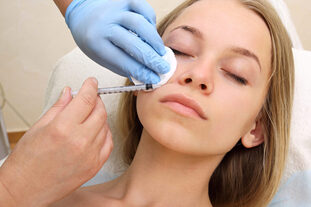 Los Altos fillers and injectables for facial hollowing
Fillers and injectables in Los Altos and San Jose CA are often considered when athletes notice facial hollowing despite being in peak physical condition. A long-distance runner finishes a morning session and catches a glimpse of themselves in the mirror. The body looks lean and efficient, exactly what years of training were meant to build. But the face tells a different story. The temples look slightly sunken, the cheeks appear flatter than they used to, and the overall expression seems more tired than expected for someone in peak physical condition. For cyclists and endurance athletes, this change often creeps in slowly, making it easy to miss until friends start commenting on looking “gaunt” or more aged than they feel. This kind of facial change is not unusual in high-impact athletes. It often shows up as subtle hollowing in the upper face and midface, even when the rest of the body is performing at a high level. The contrast between peak fitness and an aged facial appearance can feel confusing, especially when diet and training habits are otherwise excellent. What facial hollowing actually looks like in athletes Facial hollowing is not about wrinkles or sagging skin. It is about volume loss, especially in areas like the temples and under the eyes. In athletes, this often presents as a sharper outline around the cheekbones and a more sunken appearance near the sides of the forehead. The face can start to look less full, even if the skin itself is healthy. This change can create a tired or drawn expression that does not match the person’s energy level or lifestyle. In many cases, it is first noticed in photos or video, where lighting emphasizes shadowed areas of the face. Over time, this shift can make even younger athletes appear older than their actual age, which becomes frustrating when the body feels strong and well-conditioned. Why high-impact training affects facial volume Endurance sports place consistent demands on the body. Running, cycling, and similar activities require sustained energy use and low body fat levels for performance efficiency. While this supports athletic goals, it also reduces the small fat compartments in the face that keep features looking soft and youthful. The face is one of the first areas where volume changes become noticeable. Unlike muscles that grow stronger with training, facial fat does not respond the same way. When overall body fat drops to very low levels, the face often reflects that loss more quickly than other areas. Over time, repeated training cycles can deepen this effect, especially in athletes who maintain strict conditioning year-round. There is also the repetitive impact of endurance sports. While it is not the same as trauma, the constant physical stress and calorie expenditure can contribute to a gradual depletion of facial fullness. The result is a more angular look that may not align with how the athlete feels internally. The role of low body fat and facial fat distribution Low body fat is often seen as a marker of fitness, but it does not distribute evenly across the body. The face contains small, delicate fat pads that support areas like the temples, cheeks, and under-eye region. When these pads shrink, the structure of the face becomes more visible. In high-impact athletes, this is especially noticeable because body fat levels are often kept at the lower end of the spectrum. The cheeks may appear flatter, and the transition between facial features becomes more defined. While this can look sharp in some contexts, it can also lead to a hollow or aged appearance that does not reflect overall health. The temples are particularly sensitive to these changes. Even a small reduction in volume here can change the balance of the entire face. This is why many athletes first notice aging in the upper face rather than around the mouth or jawline. Why temples and midface change first The temples are often overlooked, but they play a major role in facial harmony. When this area loses volume, the upper face can look more skeletal, which shifts attention downward. The midface, especially the cheeks, also begins to flatten, which reduces the natural lift that keeps the face looking youthful. This combination creates a visual effect that is hard to ignore. The face can look more tired even after rest or recovery. For athletes who rely on appearance for professional visibility, such as coaches, media personalities, or sponsored competitors, this change can feel especially noticeable. Unlike skin texture changes, volume loss does not improve with skincare or rest. It is structural, which means it affects how light and shadow fall across the face. That is why it becomes more visible in photos, under gym lighting, or during competition coverage. How this affects appearance and perceived aging Facial hollowing can shift how others perceive age and energy levels. Even when an athlete is in peak physical condition, a sunken or angular face can create an impression of fatigue or premature aging. This disconnect can be frustrating, especially when performance is still strong. There is also a psychological effect. Many athletes associate their physical appearance with discipline and health. When the face begins to look older or more worn down, it can feel inconsistent with the effort put into training and recovery. This is where aesthetic concerns start to overlap with lifestyle and identity. Over time, some athletes adjust by changing lighting in photos or angles in video, but these are temporary fixes. The underlying volume loss remains unless directly addressed. When lifestyle changes are not enough Nutrition, hydration, and recovery play important roles in overall health, but they do not fully restore lost facial volume once it has diminished. Even athletes with balanced diets and structured recovery routines may still notice hollowing due to naturally low body fat and aging-related changes. This is often the point where people start looking into more targeted approaches. Not because of drastic aging, but because of subtle shifts that affect facial balance. At this stage, discussions around aesthetic treatments become more relevant, especially when the goal is to maintain a natural and athletic appearance rather than change facial identity. Approach at Mittelman Plastic Surgery using fillers and injectables At our practice, we see this concern often in athletes and highly active individuals who want to maintain a strong, natural look without appearing overdone. The goal is not to change the face, but to restore the subtle volume that supports balance and softness in key areas like the temples and midface. One of the most effective ways to address this is through carefully placed fillers and injectables. These treatments focus on restoring lost volume in a controlled way, which helps reduce the hollowed appearance without altering facial structure. The approach is conservative because athletic faces tend to need small refinements rather than dramatic changes. At Mittelman Plastic Surgery, we focus on matching treatment to the natural anatomy of the face. For high-impact athletes, this often means restoring just enough volume to soften shadows and bring back proportion. The goal is to support a refreshed appearance that still looks like the person, especially in motion and in real-life lighting. Frequently Asked Questions Why does my face look older even though I’m in great shape? Low body fat and long-term endurance training can reduce natural facial volume, especially in the temples and cheeks. This can create a tired or aged look even when overall fitness is high. Is facial hollowing reversible with diet or rest? Diet and rest support health but do not restore lost facial volume once it has decreased. They may slow further changes, but they do not refill hollow areas. Why do the temples change first? The temples have delicate fat compartments that are very sensitive to changes in body fat levels. Even small volume loss here can make the whole face look more angular. Do fillers and injectables make the face look unnatural? When done conservatively, they restore lost volume rather than change facial features. The goal is a natural, refreshed look that still fits the athlete’s face. How long do fillers and injectables last? Results typically last several months to over a year depending on the area treated and individual factors. Over time, the body gradually absorbs the product, and maintenance treatments may be needed. One of the biggest concerns for athletes considering aesthetic treatment is looking unnatural. Overfilling can change facial expression and reduce the sharp, healthy look that comes with fitness. This is why precision matters more than volume. When used correctly, fillers and injectables can restore balance in a way that is subtle but noticeable. The face looks less tired, the temples regain softness, and the midface regains gentle structure. The change is often described as looking well-rested rather than altered. The key is restraint and understanding how athletic faces age differently. Instead of trying to reverse every sign of change, the focus is on supporting natural proportions so the face reflects the same vitality as the body. Get fillers and injectables in Los Altos and San Jose CA Searching for an experienced facial plastic cosmetic surgeon in the Los Altos, San Jose, Palo Alto area? Considering a facelift or rhinoplasty? Call Mittelman Plastic Surgery, focuses on facial plastic surgery at 650-941-8888 to schedule your consultation. 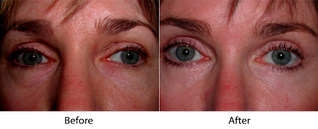 Eyelid lift in Los Altos for dry eye patients
Eyelid lift surgeon in Los Altos and San Jose CA addresses concerns often arise for mature men dealing with dry eye symptoms and questions about surgical comfort outcomes. A man in his late fifties sits at his desk in the morning light. His eyes feel gritty before he even opens his laptop. By midday, reading emails becomes harder because his vision keeps shifting between clear and blurry. He rubs his eyes often, thinking it is just fatigue or screen time. Over the past year, he has also noticed that the skin around his upper eyelids looks heavier, almost like it is weighing down on his eyes. A question starts to form in his mind: would an eyelid lift help his appearance, or would it make his dry eye worse? This is a common concern for many mature men dealing with chronic dry eye. The discomfort is real, and the decision around eyelid surgery often feels uncertain. The idea of improving appearance while possibly affecting eye comfort can feel like a tradeoff no one wants to make without clear answers. Understanding Dry Eye in Mature Patients Dry eye is not just about not having enough tears. It is more about how the eyes maintain moisture and comfort throughout the day. As men age, the natural balance of tear production and tear evaporation can shift. This leads to symptoms like burning, itching, a sandy feeling, and intermittent blurry vision. Long hours on screens, wind exposure, air conditioning, and certain medications can make symptoms worse. But age-related changes are often the underlying factor. The glands around the eyes that help keep the tear layer stable can become less efficient over time. When that happens, the surface of the eye becomes more sensitive and reactive. For many men, these symptoms are mild at first and easy to ignore. Over time, they become harder to manage and start affecting daily comfort and focus. The Role of Eyelids in Eye Comfort The eyelids do more than open and close. They help spread tears evenly across the surface of the eye. They also protect the eyes from dryness, dust, and excessive exposure. When eyelids begin to droop or become heavy with age, this natural function can change. In some cases, the upper eyelid may rest lower than it should. This can lead to a smaller opening for the eye, changing how tears are distributed. In other cases, the eyelid skin itself may feel heavier, causing subtle changes in blinking patterns. These small changes can contribute to dry eye symptoms or make existing dryness feel worse. This is where the conversation about an eyelid lift often begins. For some patients, improving eyelid position can support better eye function. For others, especially those already struggling with dry eye, the decision needs careful evaluation. Dry Eye and the Eyelid Lift: Why the Concern Exists An eyelid lift is a procedure that adjusts the position or appearance of the eyelids. While many people think of it as cosmetic, it can also have functional effects. For patients with dry eye, the concern is whether changing the eyelid structure might interfere with tear distribution or make the eyes feel more exposed. The concern is valid. The eyes rely on a delicate balance, and any surgical change in the eyelid area can influence how that system works. In some cases, patients may notice temporary dryness after surgery. In other cases, if the eyelid position is improved in a way that supports better blinking and coverage, symptoms may actually stabilize or improve. There is no universal outcome. This is why a clinical, case-by-case approach is important rather than a one-size-fits-all assumption. Evaluating the Patient Before Surgery When a man with chronic dry eye considers an eyelid lift, the first step is a careful evaluation of both eye health and eyelid function. This includes understanding how often symptoms occur, what triggers them, and how severe they are in daily life. It also involves looking closely at how the eyelids move, how well they close, and how the tear film behaves across the surface of the eye. Some patients have dry eye that is primarily environmental. Others have structural eyelid changes contributing to the problem. The difference matters when deciding whether surgery is appropriate. A thoughtful evaluation helps identify whether an eyelid lift could be supportive, neutral, or potentially risky for eye comfort. It also helps guide expectations so patients are not surprised by temporary changes during healing. Balancing Function and Appearance For many mature men, the motivation for an eyelid lift is not purely cosmetic. It is often a mix of comfort, vision clarity, and appearance. Heavy eyelids can make the eyes feel tired, reduce peripheral vision, and create a constant sense of strain. At the same time, dry eye symptoms can already make the eyes feel sensitive and unstable. The goal is not to prioritize one concern over the other but to find a balance where both function and comfort are respected. In some cases, improving eyelid position can help reduce strain on the eyes. In others, the focus may shift toward managing dry eye first before considering surgery. Timing becomes an important part of the decision. Clinical Approach at Mittelman Plastic Surgery At Mittelman Plastic Surgery, we often meet patients who are dealing with both eyelid changes and dry eye symptoms. Many of them are unsure whether an eyelid lift will help or complicate their situation. We take a careful approach that starts with understanding the severity of dryness and how the eyelids are contributing to it. We also focus on setting realistic expectations. Some patients benefit from surgical adjustment of the eyelids, while others may need to stabilize their eye surface first before considering any procedure. The decision is never rushed, because eye comfort is closely tied to long-term satisfaction. When surgery is appropriate, the technique is planned with attention to preserving eyelid function and protecting tear distribution. The goal is not just improvement in appearance but also maintaining or supporting eye comfort whenever possible. Recovery and Dry Eye Considerations After an eyelid lift, some temporary dryness can occur as the eyes adjust to their new position. This is usually managed with supportive eye care and tends to improve during recovery. Patients who already have dry eye are monitored more closely during this period. The healing process also gives insight into how the eyelids function in their new position. Small adjustments in blinking patterns and tear distribution often settle over time. Understanding this helps patients stay patient with the recovery process rather than expecting immediate stabilization. Long-Term Outlook for Patients with Dry Eye For many men, the combination of dry eye management and eyelid adjustment leads to a noticeable improvement in daily comfort. Others may find that dryness remains the primary issue and needs ongoing care independent of surgery. The important point is that dry eye does not automatically rule out an eyelid lift. It simply requires a more thoughtful approach. When both conditions are evaluated together, outcomes tend to be more predictable and comfortable. Frequently Asked Questions Can an eyelid lift make dry eye worse? It can temporarily increase dryness during healing, but this is not permanent in most cases. Long-term effects depend on eyelid position, healing response, and pre-existing eye conditions. Careful evaluation helps reduce the risk of worsening symptoms. Should dry eye be treated before eyelid surgery? In many cases, yes. Stabilizing the eye surface first helps improve surgical planning and recovery. This allows for a clearer understanding of baseline symptoms before any procedure. Can an eyelid lift improve eye comfort? In some patients, yes. If drooping eyelids interfere with blinking or tear distribution, correcting their position can support better eye function. Results vary depending on individual anatomy and severity of dry eye. How do I know if I am a good candidate? A proper evaluation of eyelid function and dry eye severity is necessary. The decision depends on how much the eyelids contribute to symptoms and whether surgery is likely to improve balance without increasing discomfort. Is dry eye common in men considering eyelid surgery? Yes. Many mature men experience dry eye along with eyelid changes. These conditions often overlap, which is why a combined approach to assessment is important. Dry eye and eyelid changes often occur together in mature men, creating a situation where comfort and appearance intersect. An eyelid lift is not a standalone solution for dry eye, but it can play a role in improving eyelid function when carefully indicated. The key is understanding how the eyelids and tear system work together before making decisions. At our practice, we focus on evaluating both structure and symptoms before recommending any surgical approach. This allows us to align treatment with both comfort and long-term eye health rather than focusing on appearance alone. Work with the best eyelid lift surgeon in Los Altos and San Jose CA Searching for an experienced facial plastic cosmetic surgeon in the Los Altos, San Jose, Palo Alto area? Considering a facelift or rhinoplasty? Call Mittelman Plastic Surgery, focuses on facial plastic surgery at 650-941-8888 to schedule your consultation.  Botox for facial symmetry in Los Altos
Botox in Los Altos and San Jose CA is often used to correct uneven smiles and brows caused by subtle muscle imbalance. The camera turns on. You’re mid-sentence, glancing at your own face in the corner of a Zoom call. One eyebrow lifts higher than the other. Your smile pulls more to one side. It’s subtle, but once you see it, you can’t unsee it. The more you talk, the more uneven it looks. By the end of the call, that’s all you notice. This is a common pain point. Video calls, selfies, and constant on-screen exposure highlight small imbalances that used to go unnoticed. Faces are not perfectly symmetrical, but when one side moves more than the other, it can create a “crooked” appearance that feels distracting. This is where a focused, thoughtful approach with Botox comes in. Why Facial Asymmetry Becomes Noticeable Most people have slight differences between the left and right sides of their face. Muscles don’t always pull with equal strength. Over time, habits like raising one eyebrow, chewing on one side, or even sleeping patterns can make those differences more obvious. Digital cameras amplify this. Front-facing cameras flip your image, lighting is uneven, and you’re often looking at yourself while speaking. That constant feedback loop makes asymmetry stand out more than it would in real life. The issue is not that your face is “wrong.” It’s that certain muscles are more active than others. When one side pulls harder or more often, it creates imbalance in expressions like smiling or raising the brows. What an “Asymmetry Audit” Really Means An asymmetry audit is a close look at how your face moves, not just how it looks at rest. This matters because most unevenness shows up during expression. A still photo might look balanced, but once you smile or speak, differences appear. During this process, attention goes to how each side of the face behaves. Does one eyebrow rise faster? Does one corner of the mouth pull higher? Does one side crease more deeply? The goal is not to freeze movement. It’s to bring both sides closer in how they move so expressions look more even and natural. How Botox Helps Restore Balance Botox works by softening muscle activity. When used with precision, it can reduce the strength of muscles that are overactive. This allows the less active side to “catch up,” creating a more balanced appearance. For example, if one eyebrow sits higher because the muscle lifting it is stronger, a small amount of Botox can relax that side slightly. The result is a more level brow line without removing expression. The same idea applies to a crooked smile. If one side pulls more strongly, targeted treatment can soften that pull. The other side doesn’t need to be strengthened. It simply becomes more noticeable once the dominant side relaxes. This is not about adding volume or changing your features. It’s about fine-tuning movement. The Importance of Unit-by-Unit Calibration Precision is what separates a natural result from an obvious one. Botox is measured in units, and when treating asymmetry, each unit matters. A balanced result often requires different amounts on each side of the face. One side may need a slightly higher dose, while the other needs very little or none. This is why a one-size approach does not work. The process is gradual and controlled. Small adjustments are made based on how your muscles behave. After treatment, results are observed and refined if needed. This step-by-step approach avoids overcorrection and keeps your expressions intact. Common Areas Treated for Asymmetry The brows are one of the most common areas. Uneven brow height can make the face look tired or unintentionally expressive. Subtle adjustments can bring both sides into alignment. The smile is another focus. When one corner of the mouth lifts higher, it can look uneven in photos and videos. Targeted Botox can soften the stronger side for a more balanced smile. Around the eyes, differences in squinting or wrinkling can also be addressed. If one side creases more deeply, it can draw attention away from the rest of the face. Each case is unique. The treatment plan depends on how your face moves, not just where lines appear. What Results Actually Look Like A successful result doesn’t make your face perfectly symmetrical. That would look unnatural. Instead, it reduces the noticeable imbalance so your expressions feel more consistent. You still look like yourself. You still move your face. The difference is that one side no longer dominates the other. Most people notice that they look more “even” on camera. Others may not pinpoint what changed, but they often comment that you look refreshed or more balanced. What Botox Cannot Do Botox works on muscle movement. It does not change bone structure or correct significant differences in facial shape. If asymmetry is caused by underlying structure rather than muscle activity, other treatments may be considered. It also doesn’t act instantly. Results develop over several days, with full effects visible within about two weeks. This gradual change helps keep the outcome subtle. Why Experience Matters Balancing asymmetry requires a detailed understanding of facial movement. It’s not just about placing injections. It’s about reading how muscles interact and predicting how changes will affect your expressions. Small differences in placement or dosage can change the outcome. Too much relaxation on one side can create a new imbalance. Too little may not make a noticeable difference. This is why careful evaluation and a conservative approach are key. How We Approach Symmetry Restoration At Mittelman Plastic Surgery, we treat asymmetry as a dynamic issue, not a static one. We study how your face moves when you talk, smile, and react. That movement guides every decision. We use Botox in small, precise amounts to soften overactive muscles without removing natural expression. Each side of the face is treated based on its specific behavior. There is no mirrored approach because your face is not mirrored. We also take a staged approach when needed. Instead of trying to correct everything at once, we make targeted adjustments and reassess. This allows us to refine the result and avoid overcorrection. Our focus is on balance, not perfection. The goal is for your face to look consistent from different angles and in motion, especially in situations like video calls where asymmetry becomes more noticeable. What to Expect During Treatment The process starts with a detailed assessment. We look at your face at rest and in motion. You may be asked to smile, raise your brows, and speak so we can see how each side responds. Treatment itself is quick. Small amounts of Botox are placed in targeted areas. Discomfort is minimal, and there is no downtime. Results begin to appear within a few days. As the muscles relax, the imbalance softens. A follow-up may be scheduled to evaluate the outcome and make any fine adjustments if needed. Maintaining Your Results Botox is temporary. Results typically last a few months. Over time, muscle activity gradually returns, and asymmetry may reappear. Regular treatments can help maintain balance. In some cases, consistent use can also retrain muscle habits, making the imbalance less noticeable even between sessions. FAQs: Botox for Facial Asymmetry Is Botox safe for correcting a crooked smile or uneven brows? Yes, when performed by an experienced provider. The key is using the right amount in the right places. Precision keeps the result natural. Will my face look frozen? No. The goal is to balance movement, not remove it. You will still be able to express yourself. How long does it take to see results? You may notice changes within a few days, with full results in about two weeks. How long do the results last? Most people see results for three to four months. This can vary based on muscle activity and individual response. Can asymmetry get worse over time? It can become more noticeable if one side continues to be more active. Addressing it early can help maintain balance. Do I need the same amount on both sides? Usually not. Each side is treated based on its level of activity. This is what creates a balanced result. Facial asymmetry is normal, but when it becomes noticeable in daily interactions, it can affect how you feel on camera and in person. A thoughtful approach with Botox can restore balance by addressing how your muscles move. The key is precision. Small, targeted adjustments can make a visible difference without changing what makes your face unique. When done correctly, the result is not perfection, but harmony. Work with the best botox specialist in Los Altos and San Jose CA Searching for an experienced facial plastic cosmetic surgeon in the Los Altos, San Jose, Palo Alto area? Considering a facelift or rhinoplasty? Call Mittelman Plastic Surgery, focuses on facial plastic surgery at 650-941-8888 to schedule your consultation.  Facelift ahead of a Los Altos career change
Facelift in Los Altos and San Jose CA is often considered during career shifts or retirement when confidence and appearance alignment matter. A late afternoon video call is wrapping up. The meeting went well, the ideas were strong, but the screen tells a different story than the words did. The reflection shows a face that looks more tired than the energy you feel inside. Later that week, a networking event brings a similar moment. Conversations are easy, connections are forming, yet there is a quiet sense of being overlooked, not because of experience or skill, but because of how others seem to perceive age at first glance. This is a common turning point for many people stepping into what is often called a “second act.” That might mean launching a new career after decades in one field, shifting into consulting or leadership, or easing into retirement while staying socially active and engaged. In each case, identity does not slow down, even if the mirror sometimes suggests otherwise. For some, a Facelift becomes part of the conversation at this stage, not as a way to change who they are, but to better align how they feel internally with what they present externally. Confidence becomes the central theme, especially when stepping into spaces where energy, visibility, and presence matter just as much as experience. The changing face of career transitions and aging perception Modern careers no longer follow a straight line. People change industries in their 40s, start businesses in their 50s, and remain professionally active well into traditional retirement years. At the same time, visual culture has become more dominant. Video meetings, social media, and constant visibility have made appearance feel more present in daily life than ever before. Age itself is not the problem. The challenge often comes from perception. Many individuals report feeling as though their external appearance does not match their current mindset or energy. This disconnect can subtly affect confidence in professional settings, interviews, presentations, and even social environments. In a competitive or fast-moving space, people sometimes worry about being “seen as older” before their ideas are fully heard. That concern is not about vanity. It is about communication, presence, and how others interpret confidence within seconds of meeting someone. Why appearance confidence matters in a second act Confidence is rarely about one feature or one change. It is built from alignment between how someone feels and how they are perceived. When people feel that their outward appearance reflects fatigue or aging more than their internal energy, they may hold back in subtle ways. They might speak less in meetings, avoid being on camera, or step back from opportunities that require visibility. This is where discussions around a Facelift often begin. The goal is not transformation into someone different. The goal is restoration of balance. For many individuals, facial changes over time can create a tired or stressed appearance even when they feel alert and engaged. In a second act phase of life, whether that involves new leadership roles, entrepreneurship, or active retirement, presence matters. People want to be seen as capable, relevant, and energetic. When appearance supports that message instead of contradicting it, communication becomes more natural and less self-conscious. Understanding what a Facelift actually addresses A Facelift is often misunderstood as something that changes identity or creates an artificial look. In reality, it focuses on addressing visible signs of aging in the lower face and neck area. These changes often include sagging skin, deeper lines around the mouth, and loss of firmness along the jawline. The purpose is not to alter character or expression. It is to restore a more refreshed version of the face that still looks like the individual, just more rested and supported. Many people describe the result as looking like themselves after a long vacation or after a period of genuine rest. It is also important to understand that a Facelift does not stop aging. Instead, it resets the visual starting point. From there, natural aging continues, but often from a more refreshed baseline. For individuals entering a new career phase or transitioning into retirement, this reset can feel meaningful. It supports the idea of starting a new chapter with confidence rather than carrying visible signs of past stress or fatigue into it. Timing matters: when people consider a Facelift during life transitions Timing plays a significant role in how people approach facial rejuvenation. Many individuals do not consider a Facelift during stable, familiar phases of life. Instead, interest often rises during transitions. A career pivot is one of the most common triggers. Starting something new often comes with increased visibility. Whether it is client-facing work, public speaking, or leadership roles, people become more aware of how they present themselves. Retirement is another important stage. While retirement is often associated with slowing down, many people remain socially active, travel frequently, and engage in community leadership or part-time work. In these settings, feeling confident in appearance can contribute to more open social engagement. The decision is rarely impulsive. It often follows years of noticing gradual changes and then reaching a moment where external appearance feels slightly out of sync with internal energy. Emotional side: confidence, visibility, and self-perception The emotional layer of aging is often more impactful than the physical one. People do not usually focus on a single wrinkle or line. Instead, they respond to the overall impression they see in the mirror. When that impression feels tired or less vibrant than expected, it can influence behavior. Some individuals report avoiding photos or feeling less confident in social introductions. Others become more aware of how they are perceived in professional settings. A Facelift, when considered thoughtfully, can help reduce that gap between self-perception and outward appearance. This is not about chasing youth. It is about restoring a sense of familiarity when looking in the mirror. That familiarity can make it easier to engage socially and professionally without distraction. In a second act phase of life, that emotional ease often becomes more important than ever. People want to focus on opportunities, relationships, and experiences rather than feeling self-conscious in the background. A tailored approach at Mittelman Plastic Surgery At our practice, we see many individuals who are entering new professional chapters or redefining their lives after retirement. The conversation around a Facelift is rarely about age alone. It is about timing, goals, and how someone wants to feel in their next stage of life. At Mittelman Plastic Surgery, we focus on understanding those goals first. Some patients want subtle refinement that helps them feel more confident in meetings or social settings. Others are looking for a more noticeable refresh that aligns with a major lifestyle change. The approach is always centered on balance. The aim is not to create a different face, but to restore natural definition and support features that may have softened over time. Patients often express that they still want to look like themselves, just more aligned with how they feel internally. These conversations are especially common among individuals preparing for career reinvention or stepping into a more visible retirement lifestyle. The goal is consistent across both groups. It is about helping appearance reflect energy, experience, and confidence without distraction. Frequently Asked Questions At what age do people usually consider a Facelift? There is no fixed age. Many people begin considering it in their 40s, 50s, or 60s, often when facial changes start to affect how they feel in professional or social settings. The decision is more about personal readiness and goals than age alone. Can a Facelift help with confidence in professional environments? For many individuals, yes. When someone feels that their appearance reflects fatigue or aging more than their current energy, it can affect how they show up in meetings or presentations. A refreshed appearance can help reduce that disconnect. How long does the result of a Facelift last? Results vary depending on individual aging and lifestyle factors. In general, a Facelift provides long-lasting improvement, but it does not stop the natural aging process. Most people continue to age from a refreshed starting point. Is recovery something to consider when planning timing? Yes. Recovery is an important factor, especially for those planning career changes or major life transitions. Many individuals choose timing that allows them privacy and space to heal before returning to social or professional activities. A second act is not about stepping back. It is about stepping into a new phase with clarity and confidence. For some, that includes aligning appearance with how they already feel inside, so that attention shifts from how they look to what they bring to the table. Work with the best facelift expert in Los Altos and San Jose CA Searching for an experienced facial plastic cosmetic surgeon in the Los Altos, San Jose, Palo Alto area? Considering a facelift or rhinoplasty? Call Mittelman Plastic Surgery, focuses on facial plastic surgery at 650-941-8888 to schedule your consultation.  Los Altos Facial Plastic Surgery for facial harmony
Facial Plastic Surgery in Los Altos and San Jose CA shows how jawline balance can change facial harmony. A patient walks into a consultation convinced their nose is too big. They have spent years avoiding side-profile photos. They point to the bridge, the tip, the angle. But when their profile is viewed as a whole, something else stands out. The chin sits too far back. The jawline fades into the neck. The nose only looks prominent because the lower face lacks balance. This situation is common. Many people think they have a nose or neck issue, when the real concern is an “invisible” chin. In Facial Plastic Surgery, the jawline often sets the foundation for the entire face. When it is weak or recessed, it affects how every other feature looks. Why the Chin Matters More Than You Think The chin does more than complete your face. It defines structure. It creates balance between the upper and lower face. When the chin is in the right position, the nose appears proportional, the neck looks tighter, and the overall profile looks stronger. When the chin is set back, several things happen:
This is why focusing only on one feature, like the nose, can lead to results that still feel “off.” Facial Plastic Surgery works best when the face is treated as a whole, not in parts. The Misleading “Nose Problem” A common mistake is assuming the nose is the issue. A slightly prominent nose paired with a recessed chin creates imbalance. The eye is drawn to the nose because it sticks out more compared to the rest of the profile. In many cases, improving the chin brings everything into harmony without major changes to the nose. Sometimes a subtle adjustment to both areas creates the best result. The key is understanding the relationship between features. Patients are often surprised to learn that their “nose problem” is actually a chin issue. The Hidden “Neck Problem” Another common concern is the neck. Patients may notice fullness under the chin or a lack of definition along the jawline. They may think they need neck-focused treatment. But a recessed chin can make the neck look heavier than it is. When the chin sits back, the skin and soft tissue have less support. This creates the appearance of a double chin or a weak jawline. By bringing the chin forward, the neck can instantly look more defined. This approach addresses the root of the problem instead of just the surface. What Is a Recessed Chin? A recessed chin means the chin sits too far back compared to the rest of the face. It does not project forward enough when viewed from the side. Signs of a recessed chin include:
This can be genetic or develop over time as the face changes with age. How Facial Balance Works Facial Plastic Surgery is about balance, not perfection. Each feature should complement the others. When one area is out of proportion, it affects how everything else looks. Think of the face as a set of relationships:
When the chin is in the right position, it creates a stable base. This allows other features to look natural and proportional. Chin Enhancement Options There are different ways to improve the chin, depending on the individual. Chin Augmentation This adds projection to the chin. It helps bring the chin forward and improve the profile. The result is a stronger, more defined lower face. Jawline Contouring This focuses on sharpening the jawline. It creates a cleaner transition between the face and neck. Combination Approaches Sometimes, combining chin and nose adjustments creates the best outcome. This is common in Facial Plastic Surgery because it treats the face as a whole. The right approach depends on facial structure, goals, and overall balance. Why Starting with the Jawline Makes Sense Many treatment plans begin with the most noticeable concern. But that is not always the right strategy. Starting with the jawline offers several advantages:
Instead of chasing one feature at a time, this approach focuses on overall harmony. The Role of Aging A recessed chin can become more noticeable with age. As skin loses firmness, the jawline softens. The chin may appear even less defined. This can lead to:
Addressing the chin can restore balance and create a more youthful look without overdoing other areas. What Patients Often Get Wrong Many patients come in with a fixed idea of what they need. They focus on one feature without considering how it relates to the rest of the face. Common assumptions include:
In many cases, the issue is not size, but proportion. Facial Plastic Surgery is about correcting those proportions. How We Approach Facial Plastic Surgery At our practice, we start by looking at the full picture. We do not focus on a single feature right away. We study the profile, the balance between features, and how everything works together. We often find that the chin plays a bigger role than patients expect. By improving the jawline, we can create a stronger, more youthful profile without over-treating other areas. We guide patients through their options in a clear way. No technical terms. No pressure. Just honest recommendations based on what will look natural. At Mittelman Plastic Surgery, we focus on subtle changes that make a noticeable difference. The goal is not to change how you look, but to bring your features into balance. What to Expect from a Chin-Focused Plan A treatment plan that starts with the chin is designed to:
The result is a cleaner, more structured look that still feels like you. FAQs How do I know if my chin is recessed? Look at your side profile. If your chin sits noticeably behind your lips and nose, it may be recessed. A consultation can confirm this. Will improving my chin make my nose look smaller? Yes, in many cases. A stronger chin balances the profile, which can make the nose appear more proportional. Is chin enhancement noticeable? The goal is natural balance. Most people notice an improvement but cannot pinpoint exactly what changed. Can this help my neck look better? Yes. A more defined chin supports the jawline and can reduce the appearance of fullness under the chin. Do I always need multiple procedures? No. Some patients benefit from a single adjustment. Others may choose a combination approach for better balance. A weak chin is often overlooked. It does not draw attention on its own, but it affects everything around it. This is why it is called the “invisible” chin. Facial Plastic Surgery is not about fixing isolated features. It is about creating harmony. Starting with the jawline gives the face a strong foundation, making every other feature look better. If you have been focusing on your nose or neck without getting the result you want, it may be time to look at the bigger picture. The answer might not be where you first thought. Consult the best Facial Plastic Surgery expert in Los Altos and San Jose CA Searching for an experienced facial plastic cosmetic surgeon in the Los Altos, San Jose, Palo Alto area? Considering a facelift or rhinoplasty? Call Mittelman Plastic Surgery, focuses on facial plastic surgery at 650-941-8888 to schedule your consultation.  Los Altos fillers and injectables for a smoother jawline
Fillers and injectables in Los Altos and San Jose CA help correct early signs of jawline sagging and smooth the pre-jowl area naturally. The mirror catches your profile in the morning light. Everything looks normal at first. Then you turn slightly, and there it is. A small dip along the jawline. It was not there before. It is subtle, but it changes how your face looks. The jawline feels less clean. The lower face looks a bit heavier. Even your expression seems different, almost tired or sad. This is the moment many people first notice early sagging. It is not full jowls. It is the stage before that. And it often brings more frustration than visible aging because it is hard to define but impossible to ignore. This is where targeted Fillers and injectables come in. When used with precision, they can smooth that dip and restore the shape of the jawline without drastic change. What Is the “Pre-Jowl” Area? The pre-jowl area sits along the jawline, just before where jowls form. In younger faces, this area is smooth and straight. As time passes, volume shifts. Skin and tissue begin to move downward. Instead of a sharp jawline, a slight hollow forms in front of where fullness starts to collect. This creates an uneven contour. The face may look heavier, even if nothing dramatic has changed. The key point is this. Early sagging is not always about excess skin. It is often about volume loss and shifting support under the skin. Why That Small Dip Matters A small dip might seem minor, but it affects the whole face. The jawline frames your features. When that line loses definition, everything looks softer and less structured. People often describe this change in emotional terms. They say they look tired. Or sad. Or older than they feel. That is because the lower face plays a big role in how expressions are perceived. Fixing this early can make a noticeable difference without making you look “done.” What Causes Early Lower Face Sagging? Several things contribute to this stage of aging
All of these factors combine to create that early dip along the jawline. Why Fillers and Injectables Work for Pre-Jowls At this stage, surgery is not usually necessary. The issue is not excess skin that needs removal. It is a lack of support and smooth contour. This is where Fillers and injectables are useful. They are placed in specific areas to restore volume and create a straighter jawline. The goal is not to add bulk. It is to blend the dip so the jawline looks even again. When done correctly, the result looks natural. Most people will not know what changed. They will only notice that you look more refreshed. The Art of Strategic Placement Not all filler treatments are the same. The outcome depends on where and how the filler is placed. For pre-jowls, placement is everything. Instead of filling the sagging area itself, the focus is on the hollow in front of it. By adding volume there, the transition becomes smooth. The jawline appears lifted, even though nothing was pulled or tightened. This approach creates balance rather than volume. It is subtle, but it works because it follows the natural shape of the face. What Makes Jawline Treatment Different The jawline is not a flat surface. It has curves, angles, and natural shadows. Treating it requires a clear understanding of how those features work together. A small change in one area can affect the whole look. Too much filler can make the face look wide or heavy. Too little may not correct the dip. That is why precision matters more than quantity. What to Expect from Treatment The process is simple and quick. Most sessions take less than an hour. A consultation comes first. This is where the provider looks at your face from different angles and identifies the exact cause of the dip. During treatment, small amounts of filler are placed along the jawline. The focus stays on restoring a smooth line. There is little downtime. Some swelling or mild bruising can happen, but it fades quickly. Results are visible almost immediately. The jawline looks more defined, and the lower face appears lighter. How Long Results Last Results from Fillers and injectables are not permanent, but they last long enough to make a difference. Most treatments last between several months to over a year. This depends on the type of filler used and how your body responds. Maintenance treatments can keep the result consistent over time. Who Is a Good Candidate? This approach works best for people in the early stages of sagging. You may be a good candidate if:
It is not meant for advanced sagging. In those cases, other options may be more effective. The Importance of Experience The difference between a natural result and an obvious one often comes down to technique. The jawline requires a deep understanding of structure. It is not about filling lines. It is about shaping the face. An experienced provider knows where to place filler and where not to. This reduces the risk of overfilling and keeps the result balanced. A Thoughtful Approach at Mittelman Plastic Surgery At Mittelman Plastic Surgery, we see many patients at this early stage of change. They come in because something feels off, but they cannot always explain what it is. We focus on the structure of the jaw and how volume loss affects the overall shape. Our approach to fillers and injectables is based on careful placement, not volume. We use our understanding of facial anatomy to smooth the transition along the jawline. The goal is to restore what has shifted, not to change how you look. Every treatment is tailored. Some patients need a small adjustment. Others need a more detailed plan. The focus stays on subtle, natural results. We also take time to explain what is happening and why. This helps patients feel confident in their decision. Why Early Treatment Makes a Difference Addressing the pre-jowl stage early can delay the need for more involved procedures. Small corrections are easier to manage. They require less product and create more natural results. Waiting until sagging becomes more advanced often means more treatment is needed later. Early action keeps things simple. Common Questions About Pre-Jowl Fillers Will I look overdone? No, when done correctly. The goal is to restore a smooth jawline, not to add noticeable volume. Is the treatment painful? Most people describe it as mild discomfort. Numbing options are available to make the process easier. How soon will I see results? Results are visible right away. Some minor swelling may occur, but the final look settles within days. Can fillers replace a facelift? Not in advanced cases. Fillers work best for early changes. More significant sagging may require different options. How do I know if I need this treatment? If you notice a dip along your jawline or feel your lower face looks heavier, a consultation can help determine if this approach is right for you. That first dip along the jawline often feels like a turning point. It is subtle, but it changes how your face looks and feels. The good news is that it can be addressed early with the right approach. Targeted Fillers and injectables offer a simple way to restore balance and definition without drastic change. When done with precision, they smooth the jawline and bring back a more refreshed appearance. The key is not adding more. It is placing the right amount in the right place. Work with the best fillers and injectables specialist in Los Altos and San Jose CA Searching for an experienced facial plastic cosmetic surgeon in the Los Altos, San Jose, Palo Alto area? Considering a facelift or rhinoplasty? Call Mittelman Plastic Surgery, focuses on facial plastic surgery at 650-941-8888 to schedule your consultation.  Eyelid lift in Los Altos for hooded eyes
Eyelid lift in Los Altos and San Jose CA can help create a cleaner eyelid crease so makeup applies smoothly and lasts longer. You sit in front of the mirror, carefully applying eyeshadow. The colors look perfect when your eyes are closed. Then you open them, and most of the work disappears into the crease. Eyeliner smudges within hours, mascara transfers, and the look you spent time creating fades fast. It can feel like no amount of technique or products makes a difference. This is a common experience for people with hooded eyelids. The extra skin on the upper lid folds over the crease, which changes how makeup sits and wears throughout the day. Many try different products, brushes, and tutorials, hoping for a solution that sticks. For some, the frustration builds over time. There is a point where makeup is no longer the issue. The structure of the eyelid itself is what affects the final result. That is where an eyelid lift comes into the conversation. It offers a way to restore a clear, visible eyelid crease, which can make makeup easier to apply and more reliable throughout the day. Understanding Hooded Eyelids and Makeup Challenges Hooded eyelids happen when extra skin folds down from the brow area and partially covers the upper eyelid. This can be something people are born with, or it can develop over time as the skin loses elasticity. From a makeup perspective, this creates a few common challenges:
These issues are not about skill level. Even with careful blending and quality products, the structure of the eyelid can limit how makeup shows up. Many people try to adjust their techniques. They use higher placement for eyeshadow, waterproof eyeliner, or primers. While these can help, they often do not fully solve the problem. Why Makeup Alone Sometimes Falls Short Makeup can enhance features, but it cannot change how the eyelid is shaped. With hooded lids, the extra skin overlaps the natural crease. This means:
Even tutorials designed for hooded eyes can only go so far. They can improve appearance, but they do not remove the underlying challenge. This is why many people start looking for a longer-term solution that addresses the root cause instead of adjusting around it. How an Eyelid Lift Changes the Experience An eyelid lift, also known as upper eyelid surgery, focuses on removing or adjusting the excess skin that causes the hooded appearance. The goal is to create a more defined eyelid crease and open up the eye area. When the upper lid is lifted:
This does not change how makeup is used. It changes how makeup performs. For many people, this shift makes a noticeable difference in their daily routine. Makeup becomes more predictable. Time spent blending and correcting can decrease. Looks that were difficult to achieve before become easier. The Makeup Benefits People Notice After an Eyelid Lift People who choose an eyelid lift often report improvements in how they apply and wear makeup. Some of the most common changes include: Better Eyeshadow Visibility With more visible lid space, eyeshadow colors show up more clearly. You can see the full effect when your eyes are open, not just when they are closed. Reduced Smudging Less skin overlap means less contact between the upper and lower areas of the lid. This helps reduce smudging, especially with eyeliner and mascara. More Control Over Eyeliner Applying eyeliner becomes simpler because the line stays visible. There is less need to compensate for folding or transfer. Longer-Lasting Looks Makeup tends to stay in place longer since it is not being disrupted by skin folds throughout the day. Less Time Correcting Makeup Instead of constantly fixing smudges or adjusting placement, you can focus more on application and less on correction. These changes are not about creating a dramatic new look. They are about restoring balance and making every day routines easier. When to Consider an Eyelid Lift An eyelid lift may be worth considering if you notice:
It is not only about appearance. Some people choose this option because their eyelids affect daily comfort and function, especially when applying makeup or keeping a consistent look. What the Procedure Involves in Simple Terms An eyelid lift is typically done with a focus on removing or adjusting extra skin from the upper eyelid. The goal is to create a smoother, more open eyelid area. The process usually involves:
Recovery time can vary, but most people return to regular activities within a short period. As healing progresses, the eyelid shape settles into its new appearance. How It Fits into Your Makeup Routine One of the main benefits people notice after an eyelid lift is how much easier makeup becomes. Instead of working around folds, you can focus on placement. Here are a few simple changes that people often make:
This shift does not remove creativity. It opens up more possibilities. The same products can produce clearer, more consistent results. Choosing the Right Approach for You Not everyone with hooded lids needs an eyelid lift. Some people are happy with makeup techniques and the results they achieve. Others reach a point where they want a more lasting solution. The decision depends on:
Taking time to understand your options can help you make a decision that fits your needs. A Closer Look at Our Approach At our practice, we focus on helping people who feel limited by hooded eyelids and want a more lasting solution. At Mittelman Plastic Surgery, we take time to evaluate each person’s eyelid structure and discuss what changes may help improve both appearance and daily routines like makeup application. At our practice, we aim to create results that look natural while also making every day experiences more manageable. This includes improving how the eyelid functions so that makeup sits more evenly and lasts longer. At our practice, we also make sure patients understand what to expect before, during, and after the process. Clear communication helps people feel more confident in their decision and comfortable throughout their experience. Frequently Asked Questions Does an eyelid lift change my eye shape? The goal is not to change your natural eye shape. It focuses on removing excess skin so the eyelid crease is more visible. Will I still be able to use makeup after the procedure? Yes. Many people find that makeup becomes easier to apply and lasts longer after the eyelid is lifted. How long does recovery take? Recovery varies, but most people return to normal activities within a short period. Swelling and healing continue over time. Is the procedure permanent? Results are long-lasting, though natural aging continues over time. Can makeup still smudge after an eyelid lift? While no solution removes all makeup challenges, many people notice a significant reduction in smudging and transfer. Hooded eyelids can make makeup feel like a constant challenge. When eyeshadow disappears and eyeliner smudges, it can take the enjoyment out of getting ready. While makeup techniques can help, they do not always solve the underlying issue. An eyelid lift offers a different approach. By addressing the structure of the eyelid, it creates a clearer surface for makeup and helps restore balance to your routine. For many people, this makes daily makeup more enjoyable, less frustrating, and more consistent. If you have been adjusting your routine around hooded lids and still feel limited, it may be worth exploring whether this option fits your goals. Work with the best eyelid lift surgeon in Los Altos and San Jose CA Searching for an experienced facial plastic cosmetic surgeon in the Los Altos, San Jose, Palo Alto area? Considering a facelift or rhinoplasty? Call Mittelman Plastic Surgery, focuses on facial plastic surgery at 650-941-8888 to schedule your consultation.  Botox in Los Altos and San Jose for smooth wrinkle-free skin
Botox in Los Altos and San Jose CA is a quick and discreet treatment that smooths wrinkles without interrupting your day. You glance at the clock. It’s 12:15 PM. Lunch break just started. A quick sandwich, maybe a coffee, then back to emails and meetings. But today, there’s another thought in the back of your mind. You’ve been thinking about Botox for a while. The lines on your forehead are more noticeable. Still, one worry keeps stopping you. What if people notice? Not the results. The process. The tiny marks. The bruising. The idea that coworkers might guess what you did during lunch feels uncomfortable. That fear is what many people call “social downtime.” The time when your face might reveal your secret before you’re ready to share it. Here’s the truth. Social downtime is often exaggerated. With the right prep and simple aftercare, most Botox treatments can be done quietly and discreetly. This guide breaks down how to do it without drawing attention. What “Social Downtime” Really Means Social downtime isn’t about medical recovery. Botox itself doesn’t require time off work. It’s about how your skin looks right after the appointment. Common concerns include: Small red spots Mild swelling Light bruising These are normal and usually minor. Most fade quickly. The goal is to reduce even these small signs so no one notices. Why Botox Leaves Minimal Traces Botox is a quick treatment. It uses a very fine needle. The injections are shallow and precise. That means less trauma to the skin compared to many other procedures. Most people leave their appointment looking almost the same as when they walked in. The difference is subtle. A tiny bump here or there, similar to a small mosquito bite, can show up for 10 to 20 minutes. Bruising is possible but not common. When it does happen, it’s usually small and easy to cover. The Real Reason People Get Bruising Bruising isn’t random. It usually happens when a tiny blood vessel is hit during the injection. While that’s not fully avoidable, certain habits increase the chances. The biggest culprits are things that thin your blood. This is where preparation matters. Pre-Treatment Tips for Invisible Botox If your goal is to walk back into the office without anyone noticing, what you do before your appointment matters as much as the treatment itself. Avoid Blood Thinners A few days before your Botox appointment, skip anything that can increase bruising. This includes: Advil and similar pain relievers Aspirin Fish oil supplements Vitamin E Alcohol Alcohol is a big one. Even a glass of wine the night before can increase your risk. Stay Hydrated Well-hydrated skin responds better. It also helps your body recover faster. Drink water throughout the day before your appointment. Skip Intense Workouts Right Before Heavy exercise increases blood flow. That can make bruising more likely. Light activity is fine, but avoid intense sessions right before your visit. Plan Smart Timing If you’re worried, schedule your appointment earlier in the week rather than right before a big event. That gives you a buffer, even though most people don’t need it. What Happens During a Lunchbreak Botox Appointment The treatment itself is fast. Most sessions take about 10 to 15 minutes. You sit down. The provider cleans your skin. Then a few small injections are placed in targeted areas. Common spots include the forehead, between the eyebrows, and around the eyes. There’s no need for numbing in most cases. The sensation is quick and manageable. Right after, you might see tiny raised bumps or a slight redness. These usually fade before your lunch break ends. Post-Treatment Tips to Stay Low-Key This is where you protect your results and keep everything discreet. Stay Upright for a Few Hours Don’t lie down right after your appointment. Staying upright helps the product settle where it should. Skip Touching Your Face Avoid rubbing or pressing the treated areas. This prevents irritation and helps avoid spreading the product. Hold Off on Exercise Wait until the next day before returning to workouts. This reduces swelling and lowers the chance of bruising. No Alcohol Right After Just like before your appointment, alcohol after treatment can increase bruising. Give it at least 24 hours. Use a Cold Compress if Needed If you notice slight swelling, a gentle cold compress can help. Keep it light. No pressure. Makeup Is Usually Fine Most people can apply makeup shortly after their appointment. This helps cover any minor redness. Just be gentle when applying. How Long Before You Look Completely Normal For most people, visible signs disappear within an hour. If there’s a small bruise, it can last a few days, but it’s often tiny and easy to conceal. The results of Botox don’t appear instantly. You’ll start noticing smoother skin within a few days, with full results showing in about one to two weeks. That means your coworkers won’t connect the dots. There’s no sudden, obvious change. The “Invisible” Botox Strategy If your goal is total discretion, follow this simple approach.
That’s it. No complicated routine. Common Myths About Botox and Downtime Myth 1: You’ll Look “Worked On” Right Away Truth: Botox works gradually. There’s no instant dramatic shift. Myth 2: Bruising Is Guaranteed Truth: Most people don’t bruise. When they do, it’s minor. Myth 3: You Need Days Off Work Truth: Many people go right back to work the same day. When to Expect Results Botox is subtle by design. That’s part of why it’s easy to keep private.
This gradual change is what keeps it natural and discreet. Choosing the Right Provider Matters Technique plays a big role in how your skin looks right after treatment. A skilled provider knows how to place injections carefully to reduce trauma and avoid visible marks. At Mittelman Plastic Surgery, we focus on natural-looking results with minimal disruption to your routine. We understand that many people want to keep their treatments private. That’s why we take a careful approach, from consultation to aftercare. We guide patients on what to avoid before their appointment and how to care for their skin afterward. Our goal is simple. You should feel comfortable returning to your day without worrying about how you look. FAQs About Botox and Social Downtime Can I go back to work right after Botox Yes. Most people return to work immediately. Any redness usually fades quickly. What if I do get a bruise It’s usually small. Makeup can cover it. It fades within a few days. Can I schedule Botox during my lunch break Yes. Many people do exactly that. The treatment is quick and doesn’t require recovery time. Will people notice I had Botox They’ll notice smoother skin over time, not the treatment itself. How can I reduce swelling after Botox Keep your head upright, avoid touching the area, and use a light cold compress if needed. The idea of social downtime keeps many people from trying Botox. In reality, it’s often a myth built on worst-case scenarios. With a little preparation and simple aftercare, most treatments are quiet and discreet. You can walk into your appointment during lunch and return to your day without drawing attention. No obvious signs. No awkward questions. Just a gradual, natural improvement that speaks for itself. Work with the best Botox specialist in Los Altos and San Jose CA Searching for an experienced facial plastic cosmetic surgeon in the Los Altos, San Jose, Palo Alto area? Considering a facelift or rhinoplasty? Call Mittelman Plastic Surgery, focuses on facial plastic surgery at 650-941-8888 to schedule your consultation. |
Dr. Harry MittelmanFacial Plastic Surgeon in Los Altos, CA Archives
June 2026
Categories
All
|

 RSS Feed
